
JOHN CARROLL UNIVERSITY
JOHN CARROLL UNIVERSITY
DEPARTMENT OF EDUCATION AND SCHOOL PSYCHOLOGY
Technology Enhanced Lesson Plan
Name: Tom O’Hara
Cooperating Teacher and School: Rachael Streitman, Mayfield Middle School
Date of lesson submission: 5 May 2020
LESSON TITLE & UNIT TITLE:
Enhancing Student Communication in Civic Engagement
Effective communication in civic settings
CONTEXT OF THE CLASSROOM:
Suburban middle-school, 8th grade Social Studies.
25 students are categorized as follows:
GENDER: 13 girls, 12 boys;
AGE: 13, only a few are 14;
RACE (observed): 17 white, 3 African American, 1 Asian, 1 Turkish, 3 others;
DEMOGRAPHICS: all are presumed to be suburban, middle-income;
ACCOMODATIONS: I have no knowledge of any individualized accommodations. I cannot address a direct learning accommodation I have no knowledge of, however within this lesson are artistic design considerations for which an artistically inclined student may excel in, such as the two disconnected yet artistic students in this classroom. I did witness two students with hearing assistance devices that did not appear to hinder their learning. The Turkish student may have communication issues that may hinder deeper understanding but, I saw no difficulty when I spoke with him. He was a quiet student who had fallen months behind when he and his parents returned to Turkey, this lesson cannot address such a deficiency. I saw no apparent learning difficulties with any other student.
TECHNOLOGY: Each student is in possession of a school-issued ChromeBook and is fluent in its operation and use. I believe each student had his or her own cell phone and possessed all the technological savvy regarding its use as any suburban 13-year old. The school itself is technologically modern with computer projectors in each classroom.
At least a few cliques were noted, and I believe at this age it is important to note but these cliques exist although they may not be as stifling as high school cliques will be. Only a few might represent a difficulty to teaching. I mention the cliques because I witnessed unique behaviors from two of the three artistic students who choose to disengage from the classroom and spend more than one period sketching. I tried to engage each of them, but I could not. Also generally within this age range are challenging behaviors that are constantly in flux and as a teacher we must be aware of the developing psyche of the 13/14 year old, I think more-so at this life stage, as life expands in all directions for them more than almost any other time in their lives.
CONTEXT OF THE LESSON:
This lesson is intended to be a bridge between “Bill of Rights”, “Branches of
Government” and “Civic Engagement” with the intent to increase the ability of the
students to effectively engage in civic discourse by understanding preferred
communication techniques of participants and their own roles in civic life.
EDUCATION STANDARDS:
Ohio state education standards are:
8.19 Government – Informed citizens understand how media and communication
technology influence public opinion.
8.20 Government – The U.S. Constitution established a federal system of government, a
representative democracy and a framework with separation of powers
and checks and balances.
W8.1 Writing – Write arguments to support claims with clear reasons and relevant
evidence.
OBJECTIVES:
SWBAT Students will be able to:
1) determine best communication practices for civic engagement issues,
2) communicate effectively on issues of importance within the established framework of
civic life.
Misconceptions that I observed were a lack of understanding of how the branches of
government and their administrative departments function, in order, to create and
administer policy and law.
Concepts of civic engagement are not difficult or unwieldy and for many 8th grade
students’ volunteerism and possibly activism are familiar concepts to them. What this
lesson and following lessons will attempt to do is establish how to do this effectively
using research to find the actors, identify and refine the problem itself and most
importantly produce effective arguments for the solution.
ACADEMIC LANGUGAGE:
The language of civic life is specific and will require scaffolding.
Agenda
Ordinance
First reading/second reading/passage
City Councilperson
Mayor/City or County Manager/Governor/President
State Representative, State Senator
Federal Representative, Federal Senator
ASSESSMENT OF LEARNING
Pre-assessment(s):
This Civic Engagement lesson is positioned near the end of a semester of study of American Government that has included the Constitution and Bill of Rights and the framework for the Branches of Government including federal, state and local governments as such, pre-assessment for this particular days’ lesson is minimal, however the “question of the day” will ask students to define Civic Engagement. This will allow me to understand whether the students can start to formulate an idea of how civil engagement is situated within what they have been previously learning.
Formative and summative assessment:
Formative assessment will occur as the result of a short 5 question quiz at the end of the exploration and will ask students to link a topic of concern with the branch and official which would be the most effective in affecting change, see appendix 1. For example, the classroom identified a number of concerns such as animal rights, gender equality and gun control and students will decide which person, body or department will be most effective in adopting a solution.
Summative assessment will occur at the end of the lesson when the class will produce a video which addresses civic engagement in the topic area chosen by the class.
Differentiation of assessment:
Within this particular classroom and for this particular lesson I saw no obvious need for differentiation of assessment.
Feedback:
This lesson is an internet research exploration and as such I cannot imagine assessment feedback identifying many deficiencies in students in the accomplishment of this particular lesson.
INSTRUCTIONAL RESOURCES, MATERIALS, & TECHNOLOGY INTEGRATION
Chromebooks for internet research, document, video and cartoon creation.
Maps of local, state and federal legislative districts
Biographical information on officials
INSTRUCTION
Preparation:
Each student has their chomebook or pc’s on hand with an established internet connection.
District maps for federal, state, and local legislative districts along with pictures, resumes & bio information on each representative.
Introduction to the lesson:
This lesson will address civic participation including activism, volunteering, and voting. The lesson follows the Constitution/Bill of Rights and the Branches of Government. Today students will explore issues of importance to them i.e. gender rights and equality, environmental concerns, political rights as a person, environmental rights as a member of this planet, governmental rights as a citizen. We will examine the issues the students bring forward. The students will then vote and rank the issues. We will then assign those issues to the appropriate civic organization, elected official or department most likely to be working on solutions. This lesson will explore authentic issues for the students, the goal will be to ultimately address an authentic audience in a legislative official, body or community organization.
Body of the lesson:
Technology modifies pedagogy, and can create new types of knowledge, Di Blas, et al., The technology used in this lesson is the computer and its affordances of the internet search, the knowledge that will be created will be primarily to help students develop a deeper understanding of the branches of government, the associated departments and social service organizations and their relation to civic engagement. The search is the simplest of affordances and is equivalent to Saloman and Peck’s concept of effects with technology, it only lasts as long as the technology is present where the only learning happening here is remembering where the search bar is and how to use it. How this changes my instructional approach is that I become a supportive tour guide for the student search and to keep them on-task and moving forward to completion of the research.
Student outcomes are to identify federal, state and local representation and social service organizations that are or have taken responsibility for social issues. Students will identify major departments and officials through federal, state and local levels with the aim of understanding which department or organization and with whom effective civic engagement occurs and what type of engagement is appropriate for the action to be undertaken i.e. volunteer, direct action, or voting.

The general outline of activity for the lesson will be:
1- Issue of the day – guided discussion on a topic of civic interest.
2- The issue of the day will lead into a discussion of who is responsible for finding a solution to the problems identified.
3- Internet ‘treasure hunt’ to identify people and organizations that are resources for solutions.
4- Plicker questions to check for understanding on the ‘chain of legislative command’ i.e. local, city and county, state and federal governments and similarly placed social service organizations.
5- Exit student question of the day, what did you learn that you did not know and what question does this knowledge lead you to ask.
I believe Civic Engagement is an ideal venue for showcasing the ideas of distributive cognition as civic engagement does not happen independently in a vacuum but with multiple actors in a range of authority roles engaged in viewing a multitude of contexts and by utilizing technology to identify, develop solutions for, communicate with and mobilize citizens to action. The technology used in the research and identification of issues is far more efficient in terms of time and information quality than any previous methods and may only be readily available through technology. The current use of the internet and various databases to find contact information is ubiquitous and is practically ‘light years’ beyond previous methods. Students use that technology with ease showing that the cognition and learning that is occurring is happening through what Salomon and Perkins call ‘the effects with technology’, that knowledge is being created through the effects of working ‘with technology’. The distribution channel for knowledge is happening with the technology itself. The research function doesn’t change the learning function. However, with this the teaching function changes into one of supervision and scaffolding students to guide them in the production of relevant knowledge for the assignment.
The cognition that is distributed with the technology in this lesson presented here is not interactive with the student which would be optimal but only reactive to the student inquiry. I don’t believe this reactive/interactive element is significant or relevant in the creation of knowledge in this example but merely a support. I see it as paint on the palette and not as a finished piece of art.
For learning to occur elements are brought to us over multiple channels, they are chosen by the teacher for their particular value to the learning. Digital storytelling is a concrete example of these multiple ‘channels’, audio, visual, the spoken word. Within each of these realms there is the knowledge of worthy and effective teaching techniques that the teacher initiates, there is the content, context, milieu and culture of the student and the impact of those things on learning and there are also the things we use to teach with; books, web-sites, pencils, technology, anything that aids in learning and understanding. So, within digital storytelling there is the teacher who stands as Conductor overseeing the successful completion of the journey by making sure the learning map is clear, understandable and can accomplish the educational goal. It is the Conductor who knows the most effective means of teaching so that learning may occur within multiple contexts and for all students. The train the conductor is overseeing has two roles, first it is a vehicle for transport, its purpose is to take us from ignorance to enlightenment. Everything about the train supports or detracts from our learning and knowledge acquisition, the train car is our context for learning. The train itself is the affordance we use to get from station ignorance to station enlightenment, its engine, the rails and the landscape it traverses are the affordances that help deliver to us knowledge on our educational journey. We did not build the train or lay the rails, but we use them both to help us get from one to the other, we give both an implicit go-ahead to take on some of the learning for us. The knowledge of the engine builder or the work of the track layer is in effect transferred to us but only so far as we need it to deliver us to our enlightened destination.
Feedback:
Civic engagement is somewhat nebulous, it does not provide a concrete 2+2=4 answer, it cannot test its scientific theory or give us a particular philosophical passage to ponder our existence. Therefore, feedback I think has to be evaluated differently. It would be great that as a result of some civic engagement we could point and say this building stands because we cared and became engaged in its preservation or this law now exists because we had the foresight to see the need and the solution. I think I would propose a single question at the very end of the entire lesson, “Do you now feel as though solutions to pressing civic issues are obtainable?”
Closure:
Students have been assessed throughout the lesson and misconceptions, lack of understanding and deeper reflective questions have been addressed.
DIFFERENTIATION OF INSTRUCTION
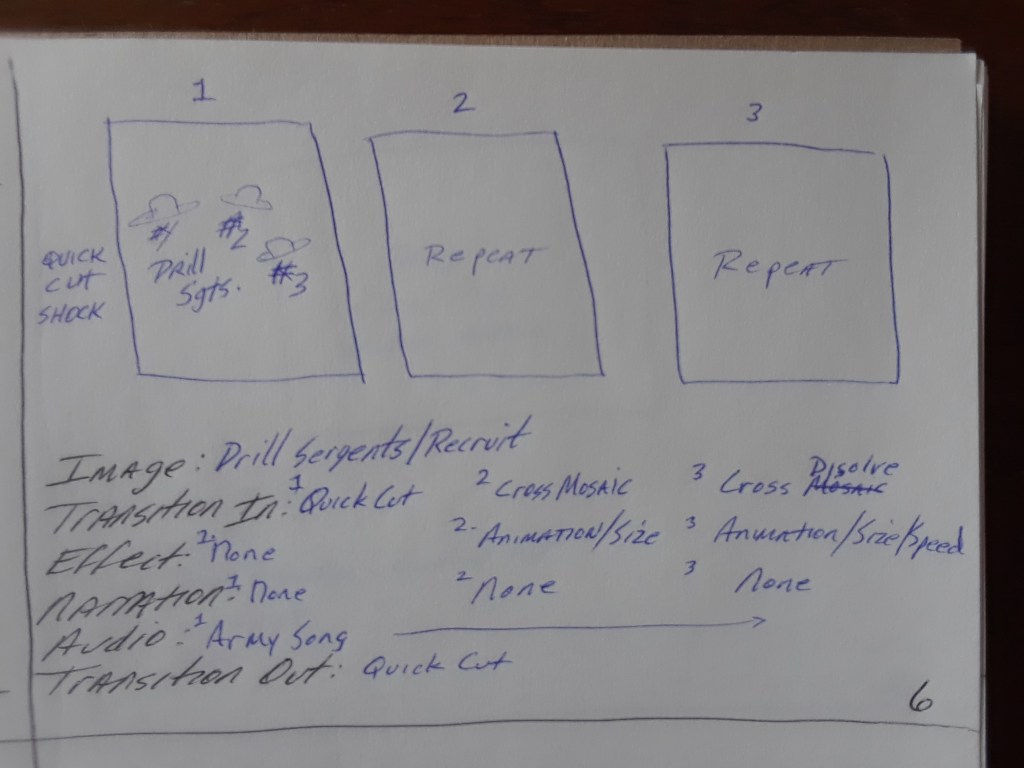
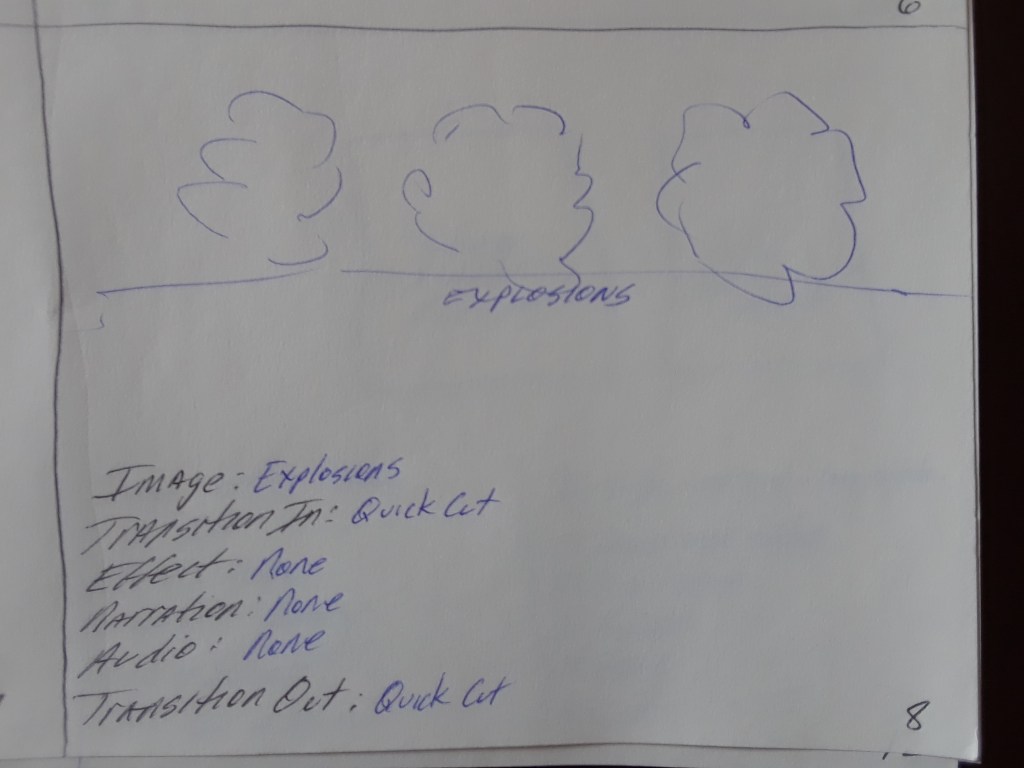
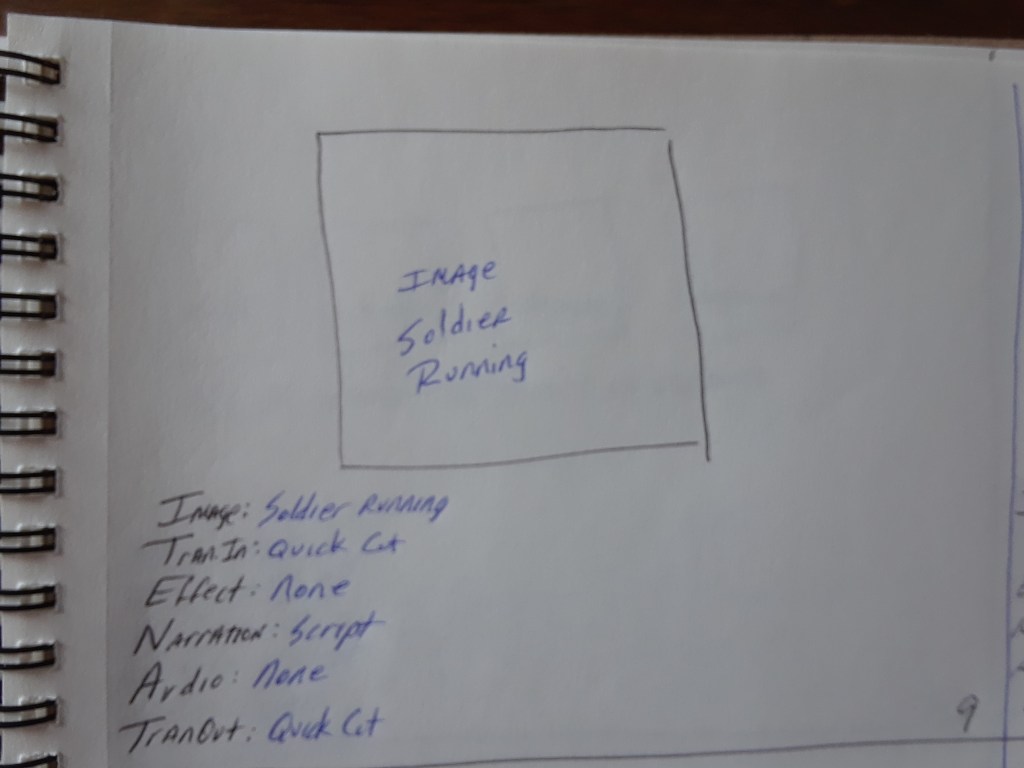
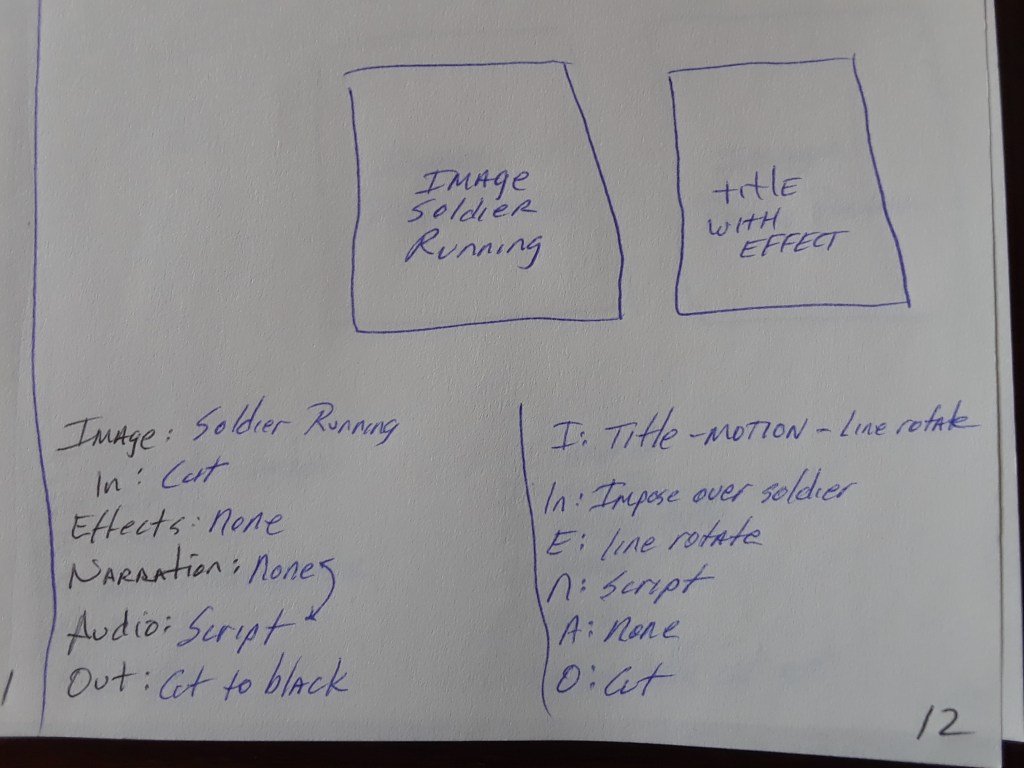
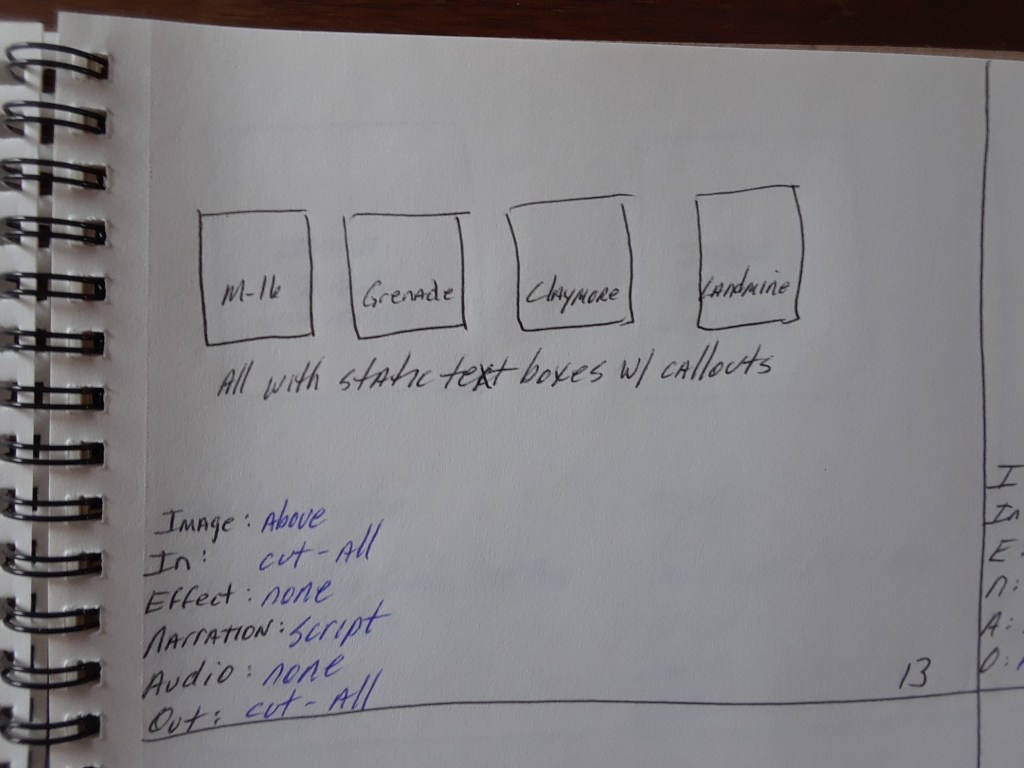
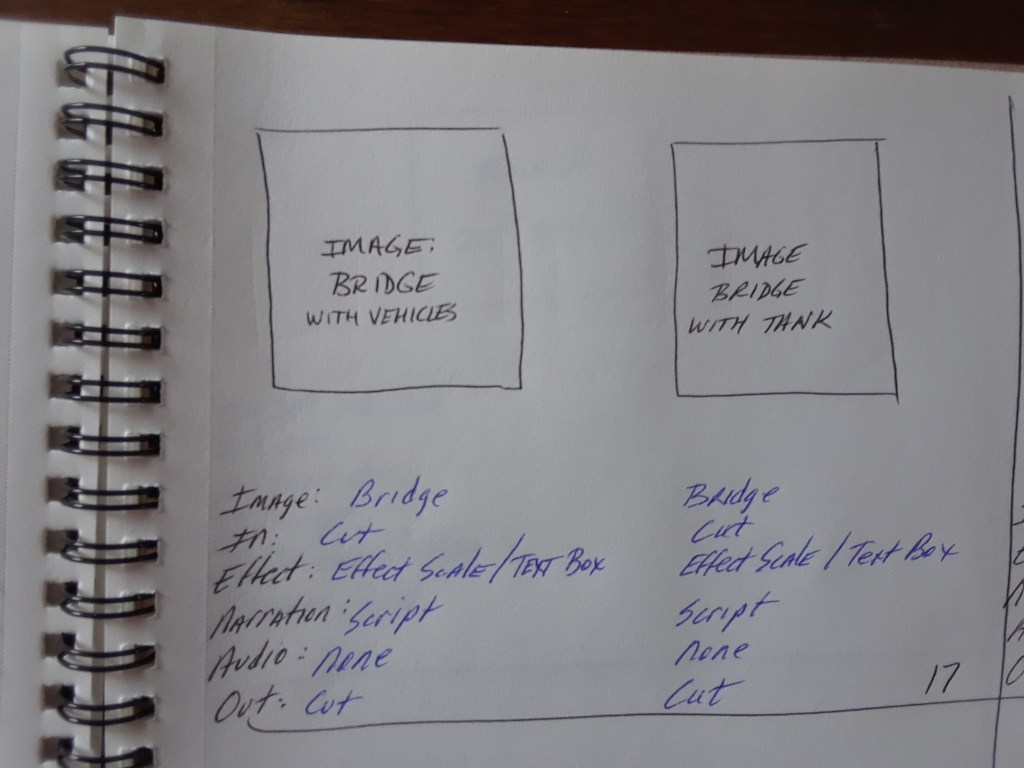
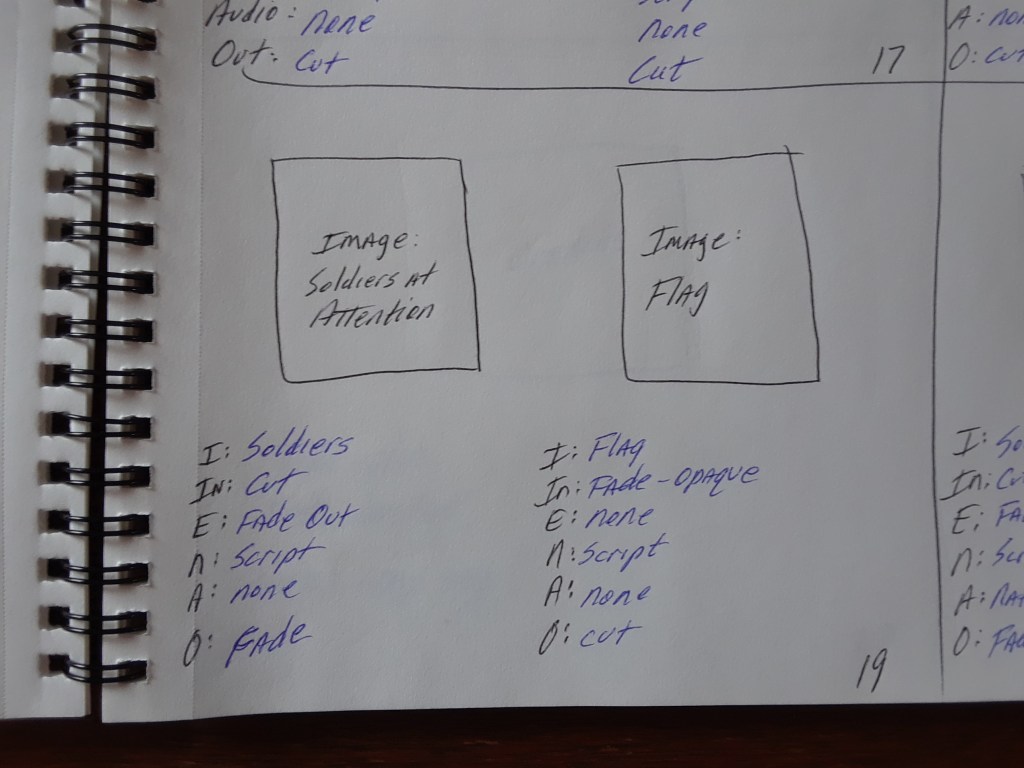
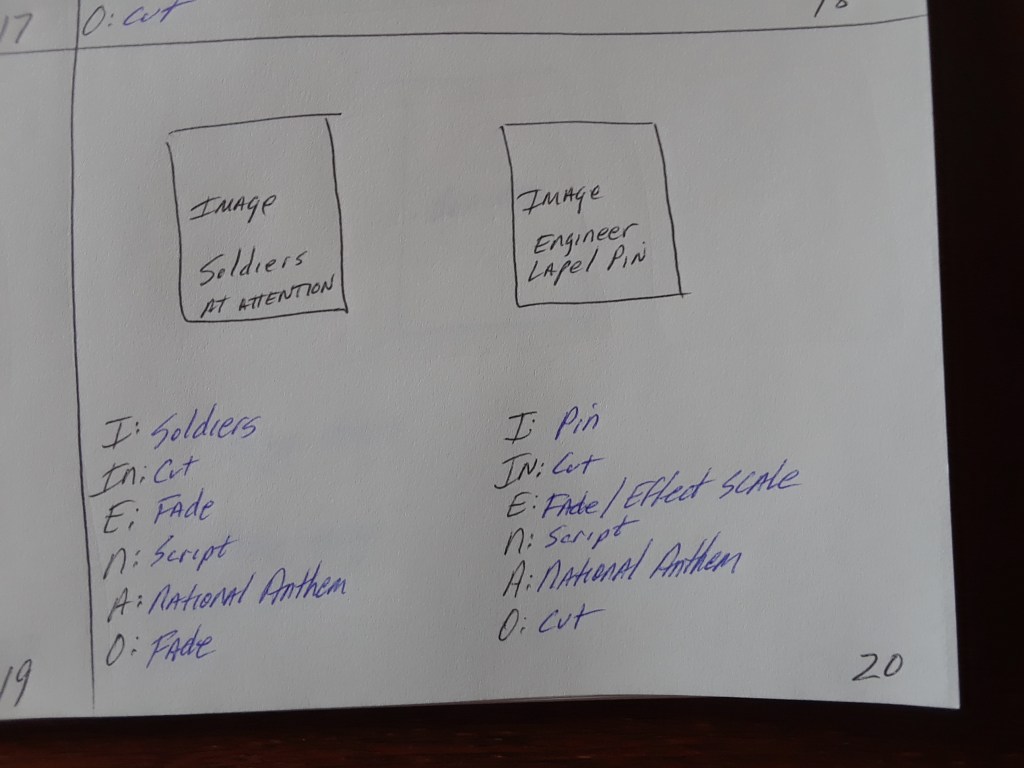
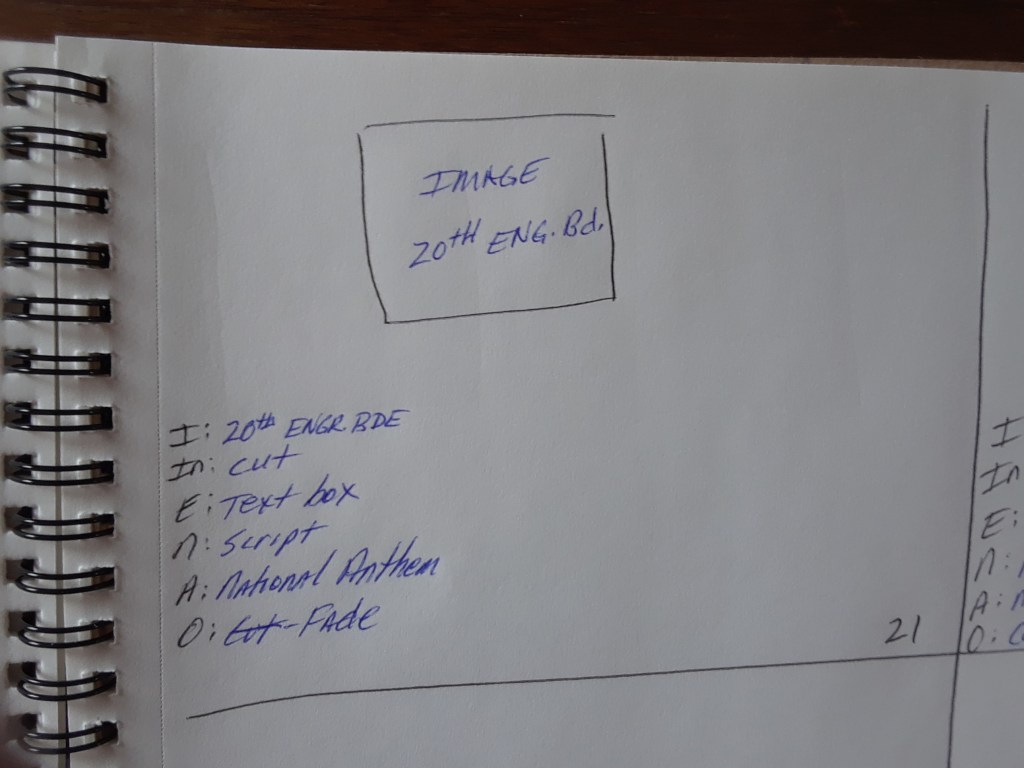
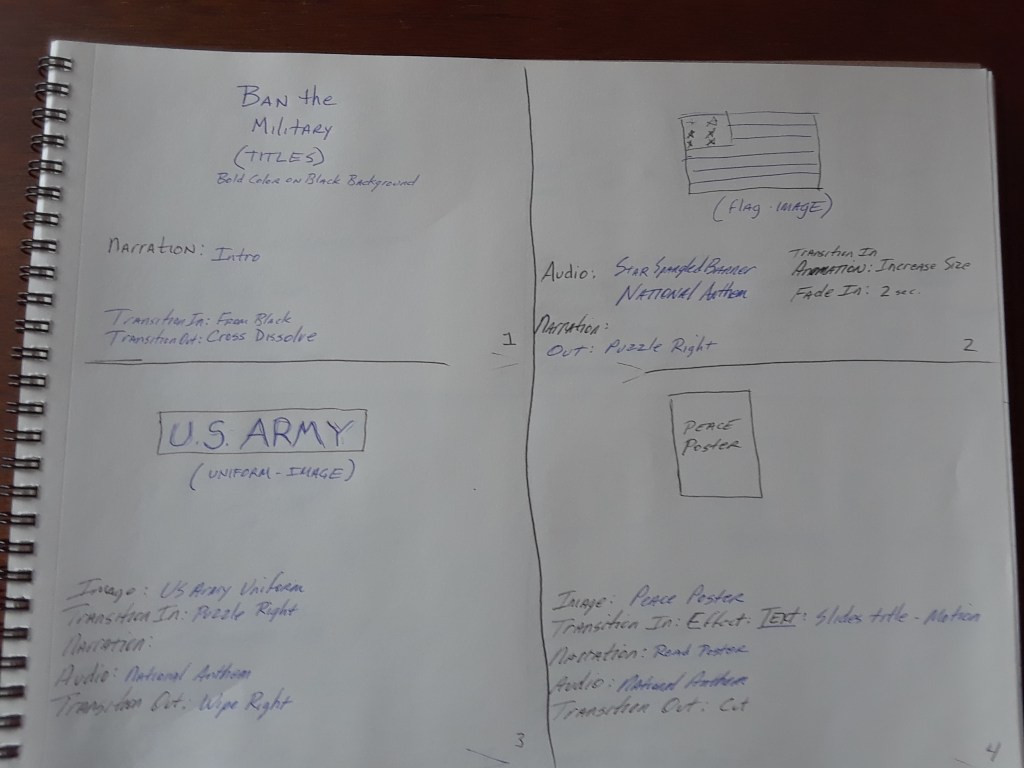
What the students are asked to produce in this, particular lesson is to identify federal, state and local officials and departments through internet research which is attainable by every student in the classroom. This individual lesson will culminate, as we research topics and find contacts in the creation by the entire classroom of a WeVideo production that will present the issue before an authentic audience. The video will afford student choice in various production duties, i.e. storyboarding, script writing, clip research and compiling, music and audio, and production and directing.
RATIONALE
I found the rationale for this lesson in my classroom observations both this semester and last and within my personal life-experience, and that is; most students, and adults, do not understand the workings of the various levels of government, their branches and departments and this lack of understanding impedes their ability to become civically engaged and effective civic leaders. This lesson attempts to clarify this lack of understanding and put in front of the students the framework for civic engagement in relation to the branches of federal, state and local governments. I believe the most effective way to bridge this gap is through internet research and to cement this learning in a culminating lesson using WeVideo as a class project to present student concerns to a civic body, either legislative or non-profit. This is the introductory lesson in effective civic participation.
Appendix 1: Post-lesson quiz
Match the community concern with the level of government, department or social service organization.
Puppy mills County Government ASPCA
Gender Equality State and Federal Government Labor Departments in each
Gun Control State and Federal Government NRA
Environmental Issues All levels EPA, solid waste departments
Neighborhood Issues Local homeless shelters, food banks, etc.
References:
Harris, J.B. et al., (2010) “Grounded” Technology Integration: Instructional Planning Using Curriculum-Based Activity Type Taxonomies, Journal of Technology and Teacher Education, 18(4), 573-605
Hull, G.A., Nelson, M.E. (2005) Locating the Semiotic Power of Multimodality, Written Communication, 22(2), 224-261
Koehler, M.J. and Mishra, P., (2005) What Happens When Teachers Design Educational Technology? The Development of Technology Pedagogical Content Knowledge. J. Educational Computing Research, Vol. 32(2) 131-152.
Martin, L., (2012) Connection, Translation, Off-Loading, and Monitoring: A Framework for Characterizing the Pedagogical Functions of Educational Technologies, Tech Know Learn, 17, 87-107
Morgan, M. et al. (2006) Applying distributed cognition theory to the redesign of the ‘Copy and Paste’ function in order to promote appropriate learning outcomes, Computers and Education, 50, 125-147
Salomon, G. and Perkins, D., (2005) Do Technologies Make Us Smarter? Intellectual Amplification With, Of, and Through Technology. In R.J. Sternberg, D.D. Preiss (Eds.) Intelligence and Technology, The impact of Tools on the Nature and Development of Human Abilities (pp.71-85 ). Mahwah, Lawrence Erlbaum Associates, Publishers.













 CitizenTeacherPlanner Education&Technology